
History
Education goes beyond textbooks and classrooms. We believe in empowering students to explore their passions challenge conventions.
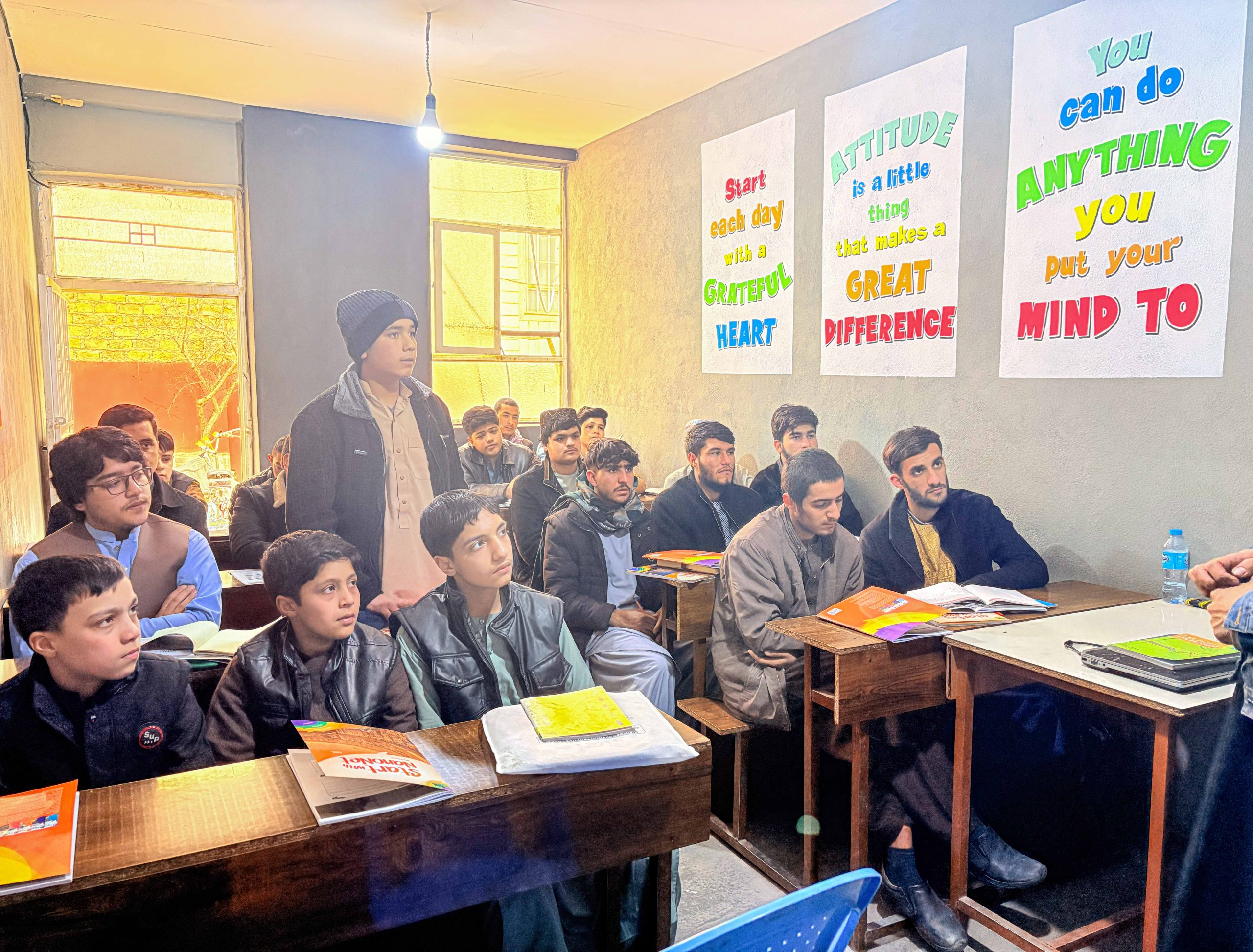
NanoNet History
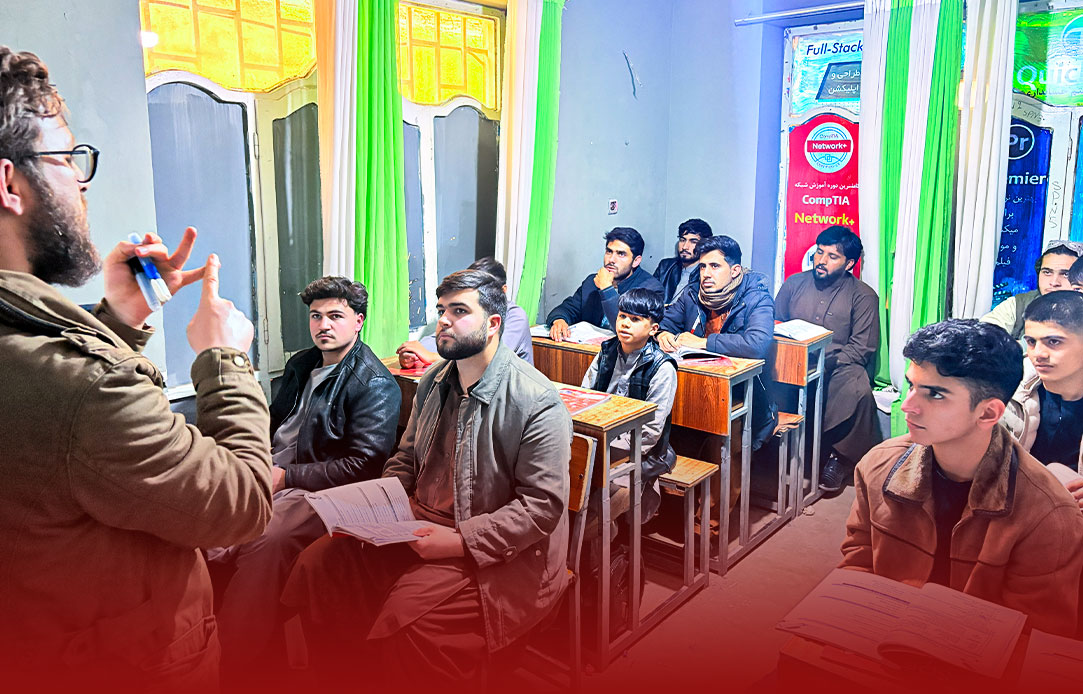
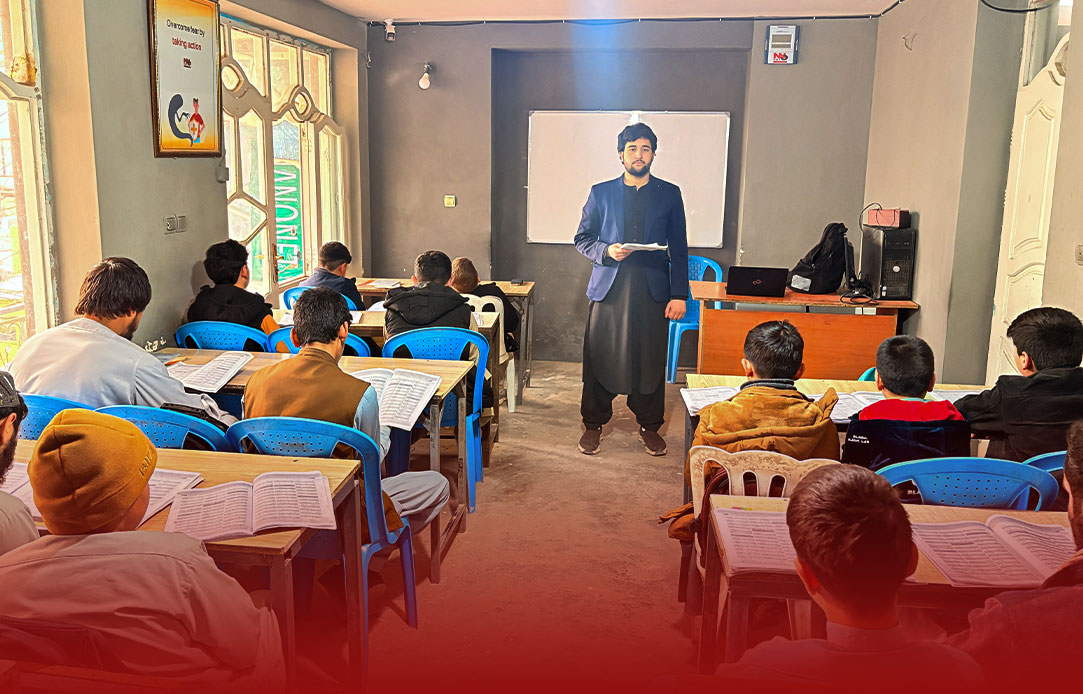
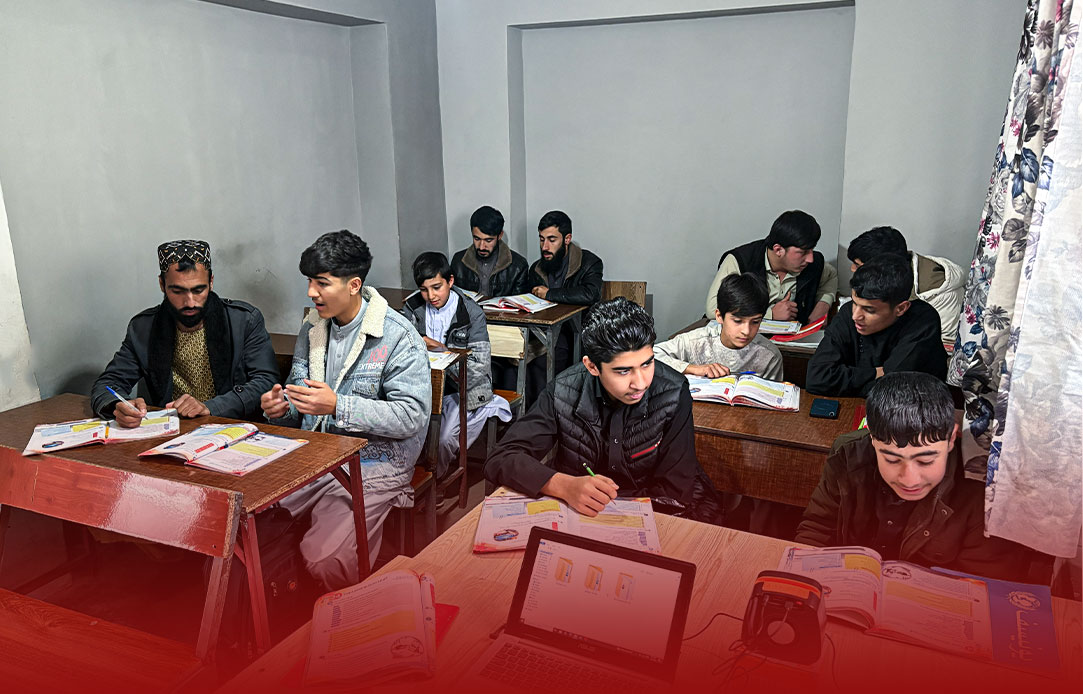
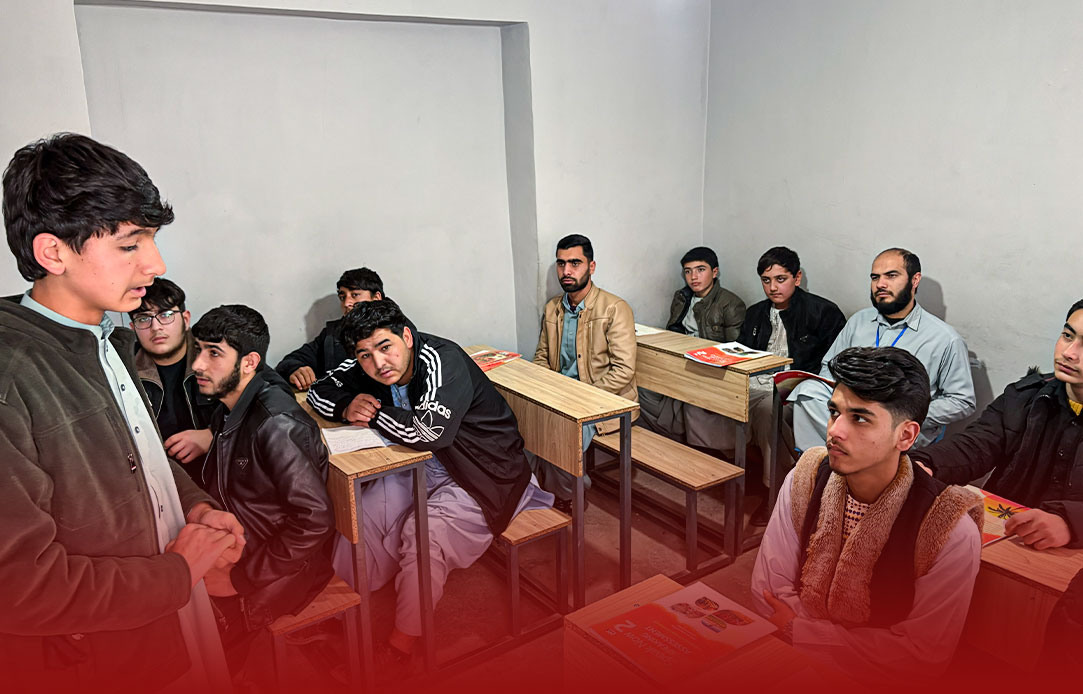
NanoNet Educational Academy was established in 2010 with a vision to improve access to quality education in Herat. Over the years, the academy has grown into a trusted educational center, helping thousands of students develop their skills in language, technology, and professional fields.
Through continuous improvement, modern teaching methods, and dedicated instructors, NanoNet has played a key role in empowering students and contributing to the educational development of the community.
2025
January – Final academic work on Speak with Nanonet was completed, including content refinement and preparation for broader implementation.
March – Speak with Nanonet system was officially launched. The system was well received and attracted many students because of its localized, practical, and student-centered design.
June – Student enrollment in the new system grew rapidly, showing the strong demand for a Nanonet-developed English program and reflecting the community’s growing trust in the academy’s internal systems.
August – Speak Now 5 was developed and launched as another major initiative in Nanonet’s English department. Since Speak Now had originally been designed as a 4-semester system, the addition of Speak Now 5 expanded it into a stronger and more complete pathway, allowing students to continue to a more advanced level.
October – Both the English and computer departments continued expanding, with stronger institutional recognition, wider student participation, and growing need for qualified instructors and staff.
November – Nanonet held another graduation ceremony for graduates of English and computer classes, celebrating the success of its students and the continued growth of the institution.
2024
February – Nanonet began planning a major expansion in computer education through a separate branch dedicated only to technical programs.
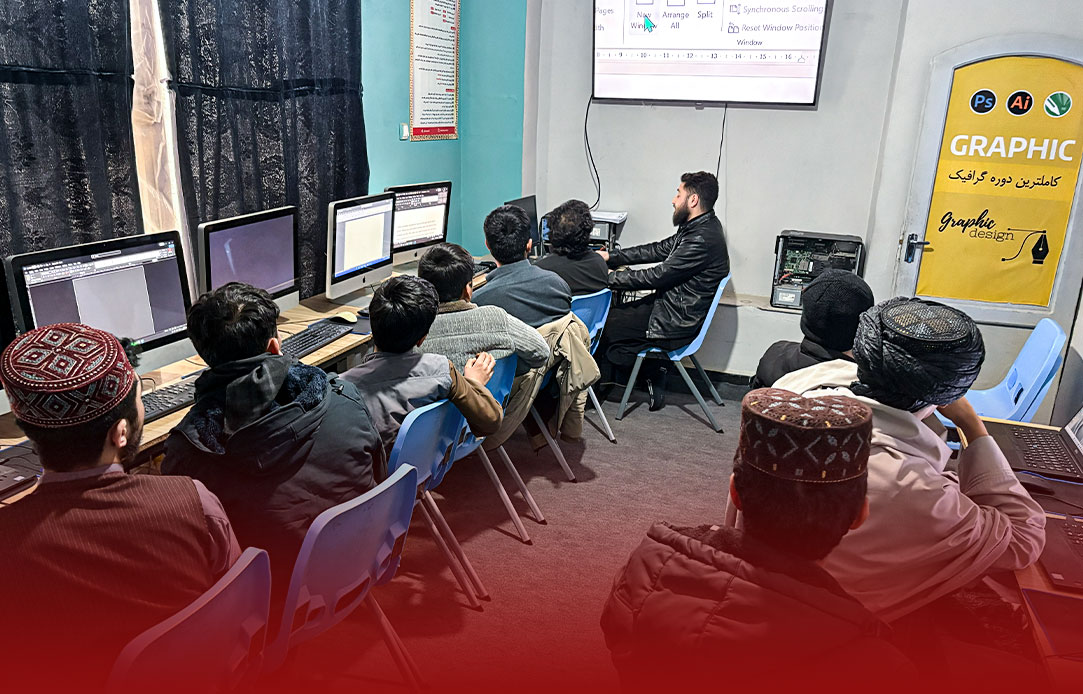
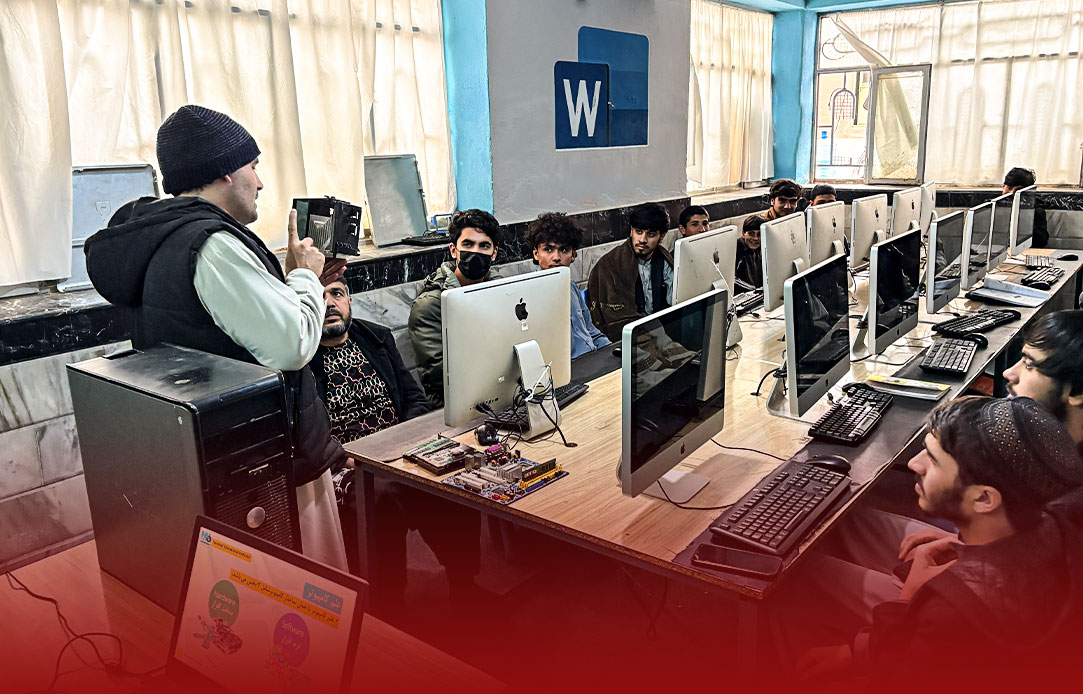
May – A new branch of Nanonet was officially established to teach computer programs exclusively. This branch was created to expand computer knowledge in Herat and to respond to the increasing demand for specialized technical education.
July – The new branch started offering specialty courses such as coding, graphics, accounting, engineering-related software, networking, and ICDL. This marked an important transition from general computer education to more advanced and market-relevant technical training.
September – Many professional teachers were hired for the new center, helping it begin with strong academic capacity. This expansion also increased employment opportunities for instructors, managers, and other administrative staff in Herat.
October – Large numbers of students joined Nanonet Technology Centre, and the branch quickly proved successful.
December – By the end of the year, the new branch had become an important milestone in Nanonet’s institutional growth, influence, and contribution to both education and employment in the city.
2023
January – Nanonet started developing a localized English system called Speak with Nanonet, designed especially to make English learning easier and more effective for Afghan learners.
April – Academic teams continued working on the structure, content, progression, and local relevance of the new system so that it would reflect both Afghan learners’ needs and modern teaching principles. This was another sign of Nanonet’s growing maturity in curriculum design.
July – At the same time, Nanonet also started some computer classes for female students taught by female teachers.
September – These female computer classes marked another important step in broadening educational access, strengthening the female section of the academy, and creating more professional opportunities for female teachers and staff.
December – By the end of the year, Speak with Nanonet had taken clear shape as one of the academy’s major internal academic projects.
2022
February – Nanonet began focused work on building a strong female team for teaching female students. This was one of the most important institutional developments in the academy’s history.
May – Some female teachers who had previously studied at Nanonet were hired, showing that the academy was not only educating students, but also helping produce future educators from within its own academic community. This also created meaningful job opportunities for women in the education sector.
July – Teacher training programs were held for these female teachers so that they could teach with stronger confidence, skill, and professionalism. The training focused on methodology, classroom management, communication, and academic standards.
September – New female classes were started under the instruction of female teachers, creating a more supportive and trusted learning environment for female students and encouraging wider participation.
November – Female managers were also hired to manage female classes and strengthen administration in this area. This made the female section more organized, more sustainable, and more professional while also opening leadership opportunities for women.
2021
January – Nanonet began expanding its computer department with more specialized and career-oriented courses.
April – New computer classes such as programming, graphics, and networking were launched to respond to growing market demand. This was an important shift because it moved the institution further into technical and professional education.
June – These new courses attracted many students who wanted practical technical skills for employment and future development. The expansion also created additional teaching opportunities for specialists in these fields.
September – The academy continued strengthening its image as a center not only for English learning but also for serious computer education, helping more learners prepare for modern professional paths.
November – A graduation ceremony was held for graduates of English and computer classes.
2020
March – Nanonet launched the Speak Now system, a speaking-oriented English program that was initially designed as a 4-semester system and later became one of Nanonet’s most successful English initiatives.
May – The new system attracted strong attention because it focused on communication, fluency, confidence, and practical classroom speaking activities. It helped many students improve their spoken English through a more active and engaging approach.
July – Academic teams began developing and creating supplementary books for the Speak Now system in order to support the new program with internal materials. This showed that Nanonet had reached a stronger stage of academic independence and curriculum-development capacity.
September – Work on these supplementary books continued, making the system more complete, localized, and effective for learners.
November – Nanonet had by this stage grown into a significant educational institution in Herat in terms of both service and employment generation. More than 25 professional instructors were working in Nanonet, which clearly showed its important role in creating job opportunities for qualified educators in the city. In addition, around 15 other staff members were serving in different administrative and support positions, including managers, accounting officers, observation officers, and watchmen. This reflected the fact that Nanonet was not only a center for education, but also a growing institution contributing to local employment and professional development.
December – Nanonet held a graduation ceremony for graduates of English and computer classes, demonstrating the institution’s resilience and continued progress despite earlier challenges.
2019
February – Another phase of the Chemonics capacity-building program was launched in Nanonet, continuing the academy’s work in community-focused training.
May – English and computer classes continued alongside project-based educational programs, keeping the academy active in multiple areas and sustaining teaching and administrative roles within the institution.
July – The spread of COVID-19 severely affected educational activity, and Nanonet faced major disruption in its regular operations.
September – Due to the pandemic, around six months of activity were suspended or limited, creating one of the most difficult periods in the academy’s history.
November – Despite these challenges, Nanonet continued planning for recovery and future continuity, showing institutional resilience and a strong commitment to preserving both education and employment during a difficult period.
2018
February – Nanonet started additional capacity-building classes through the PROMOTE program, continuing its contribution to skill development and community support.
May – A special capacity-building program was launched for 50 returnee girls, funded by UNHCR. In this program, participants studied both English and computer at Nanonet.
July – This initiative became one of the academy’s important social and educational contributions, as it supported vulnerable learners through structured training. At the same time, such projects also created work opportunities for teachers, trainers, and support staff involved in implementation.
October – The program showed encouraging results, and Nanonet further strengthened its reputation as an institution capable of implementing meaningful donor-funded educational projects.
December – A graduation ceremony was held for graduates of English and computer classes, marking another successful year for the academy.
2017
February – Nanonet started additional capacity-building classes through the PROMOTE program, continuing its contribution to skill development and community support.
May – A special capacity-building program was launched for 50 returnee girls, funded by UNHCR. In this program, participants studied both English and computer at Nanonet.
July – This initiative became one of the academy’s important social and educational contributions, as it supported vulnerable learners through structured training. At the same time, such projects also created work opportunities for teachers, trainers, and support staff involved in implementation.
October – The program showed encouraging results, and Nanonet further strengthened its reputation as an institution capable of implementing meaningful donor-funded educational projects.
December – A graduation ceremony was held for graduates of English and computer classes, marking another successful year for the academy.
2016
January – Nanonet began developing Nano Talk, a new speaking-oriented English system designed to help students use English more actively and confidently.
April – Nano Talk was structured as a 3-semester system. Unlike more traditional programs that often concentrated heavily on grammar and passive learning, Nano Talk placed stronger emphasis on speaking, interaction, confidence building, and practical classroom communication.
June – The system was developed to encourage students to participate more, express ideas more freely, and become comfortable using English in meaningful contexts rather than only studying rules. This marked another important stage in Nanonet’s curriculum-development journey.
July – Nanonet also started graphic design classes for girls as capacity-building programs funded by PROMOTE. This was an important institutional step because it expanded access for female learners, connected education with empowerment, and created professional opportunities for instructors and trainers involved in the program.
September – The PROMOTE-supported classes continued successfully and helped female students gain practical graphic skills that could support future academic and professional opportunities.
November – Nanonet held a graduation ceremony for graduates of English and computer classes. These ceremonies became important institutional events because they publicly recognized student achievement, motivated current learners, and strengthened the academy’s image in the community.
2015
March – In response to increasing student demand for academic English, Nanonet started new Pre-TOEFL classes.
June – These classes were designed to prepare learners for higher-level English study by improving academic reading, vocabulary, and language structure. This helped Nanonet serve not only general learners, but also more ambitious students with long-term academic goals.
September – The Pre-TOEFL program began attracting motivated students who wanted a more serious academic path in English.
December – By the end of the year, Pre-TOEFL had become an important addition to Nanonet’s English programs and further strengthened the academy’s image as a serious educational institution.
2014
February – Nanonet started the development of a new English system called Doors. This marked an important step toward building its own academic identity rather than relying only on external systems.
May – The Doors system was designed as a 4-semester English system. It was planned to provide students with a gradual and organized path from lower levels to stronger communicative ability. The structure was intended to make progression clearer for both teachers and students and to give the English department a more coherent internal framework.
August – Teachers and academic staff worked on lesson organization, grammar sequencing, vocabulary selection, and the balance of skills within the system. Doors was not simply a set of lessons; it represented one of Nanonet’s earliest serious efforts in curriculum development and showed increasing academic maturity.
November – By the end of the year, Doors had become one of the academy’s important internal academic achievements and showed Nanonet’s growing capacity to design structured educational systems according to the needs of its learners.
2013
January – After the success of earlier seminars, Nanonet planned a broader set of educational activities related to technology and modern computer skills.
April – New seminars on technology and emerging digital topics were launched. These events gave learners access to practical knowledge beyond regular classroom lessons and helped Nanonet become more visible as a forward-looking institution.
July – The academy hired more highly professional teachers in order to strengthen both English and computer departments. This continued expansion also meant that Nanonet was contributing more actively to local employment in the education sector.
September – With a stronger teaching team and more visible seminar activity, Nanonet’s reputation continued to grow in Herat as a serious educational institution.
2012
March – Nanonet developed special speaking classes for students who wanted to improve fluency and confidence, not just grammar and textbook knowledge. These classes reflected the academy’s growing understanding that learners needed practical communication skills for real-life use.
June – These speaking classes were received positively because they focused more on real communication, active student participation, and confidence-building in the classroom.
August – The academy started educational seminars on computer-related topics such as hardware and Internet usage. These seminars created excitement among students and the wider community and expanded Nanonet’s educational role beyond regular classes.
October – The seminars were highly appreciated and helped strengthen Nanonet’s reputation as an academy that promoted both classroom learning and public awareness of modern technology.
2011
February – Nanonet began working on supplementary books and supporting materials for the Interchange system in order to make lessons more effective and better suited to local learners.
May – Academic teams reviewed classroom needs and started improving lesson support, exercises, and practice materials for English students. This internal academic work showed that the academy was already moving beyond ordinary teaching and beginning to invest in curriculum support.
July – New and updated curricula were developed for ICDL classes so that computer training would be more practical, systematic, and aligned with current educational needs.
November – Graphic design classes were also redesigned with a more up-to-date curriculum, helping students gain more useful and market-relevant skills while strengthening Nanonet’s role in professional and skills-based education.
2010
April – Nanonet was officially established with the goal of providing quality education in both English and computer studies in Herat. From the beginning, the academy aimed to combine academic seriousness with practical skills training and to create a professional educational environment for young learners.
June – The administration began recruiting professional and experienced teachers for English and computer classes. This early recruitment not only helped Nanonet build a strong academic foundation, but also created valuable job opportunities for qualified instructors in Herat.
August – The first English classes were launched using the Interchange English system. These classes attracted students who were looking for a more organized and modern English-learning environment.
October – Computer classes were also started, allowing the academy to serve students interested in both language and technical education from its earliest stage.